Hydraulic Crane Repair: What Causes Hydraulic Failure on Job Sites
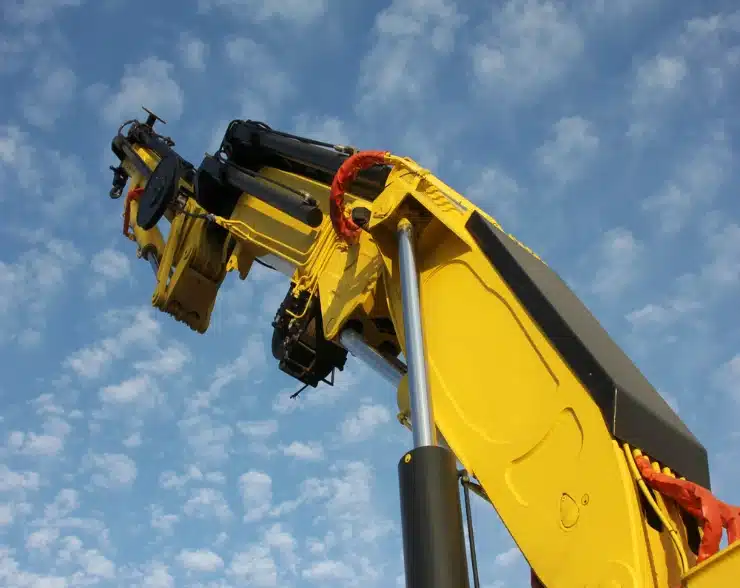
Hydraulic systems are the driving force behind most modern cranes. They control lifting, extension, rotation, and overall load precision. When hydraulic components begin to fail, crane performance can decline quickly, creating serious safety and productivity concerns on the job site.
Professional hydraulic crane repair is often required when operators notice reduced lifting power, inconsistent boom movement, or visible fluid leaks. For contractors in Odessa, TX and nearby areas, understanding the root causes of hydraulic failure helps prevent unexpected shutdowns and costly delays.
Contaminated Hydraulic Fluid
One of the leading causes of hydraulic failure is contaminated fluid. Dirt, moisture, and debris can enter the system through worn seals or improper maintenance practices. Contaminated fluid reduces lubrication, increases internal friction, and accelerates wear on pumps and valves.
Regular fluid analysis and proper filtration are essential for maintaining optimal performance. Replacing degraded fluid at recommended intervals helps protect critical hydraulic components.
Worn Seals and Leaks
Hydraulic systems rely on tight seals to maintain proper pressure. Over time, seals can crack, harden, or deteriorate due to heat and heavy usage. When seals fail, leaks develop, reducing system pressure and limiting lifting capacity.
Even minor leaks should be addressed immediately. Ignoring small drips can lead to pressure loss, overheating, and more extensive damage to cylinders and pumps.
Pump and Valve Malfunctions
Hydraulic pumps and control valves regulate fluid flow and pressure throughout the system. If a pump begins to fail, operators may notice slow response times or difficulty lifting rated loads. Faulty valves can cause jerky boom movement or inconsistent control.
Routine inspections and pressure testing help identify pump inefficiencies before complete failure occurs. Early intervention significantly reduces repair costs.
Overheating and Excessive Load Stress
High operating temperatures are another common contributor to hydraulic issues. Overheating can result from continuous heavy lifting, insufficient cooling, or low fluid levels. Excessive load stress also places strain on hydraulic cylinders and internal components.
Monitoring operating conditions and avoiding overload situations helps extend system lifespan. Preventative maintenance plays a key role in reducing temperature-related failures.
When to Call for Professional Service
If your crane experiences sudden power loss, erratic movement, or visible fluid leaks, immediate service is recommended. Delaying repairs can escalate minor hydraulic concerns into major system breakdowns.
American Crane & Equipment provides comprehensive diagnostics and repair solutions designed to restore safe and efficient operation. Our experienced technicians understand the complex demands placed on hydraulic systems in heavy industrial environments.
Prompt hydraulic crane repair in Odessa, TX and nearby areas ensures your equipment remains reliable and job-ready. Addressing contamination, leaks, and pump issues early protects both your investment and your crew. American Crane & Equipment is committed to delivering dependable hydraulic solutions that keep your crane operating at peak performance.